The global demand for renewable natural gas (RNG), also known as biomethane, is on the rise. RNG is a sustainable energy source alternative to fossil fuels, produced from organic waste. It plays a crucial role in reducing the carbon footprint of the natural gas grid and transportation. The expansion of this industry thrives on government incentives and regulations designed to curb greenhouse gas emissions. This upward industry trend is expected to continue in the coming years.
The global demand for renewable natural gas (RNG), also known as biomethane, is on the rise. RNG is a sustainable energy source alternative to fossil fuels, produced from organic waste. It plays a crucial role in reducing the carbon footprint of the natural gas grid and transportation. The expansion of this industry thrives on government incentives and regulations designed to curb greenhouse gas emissions. This upward industry trend is expected to continue in the coming years.
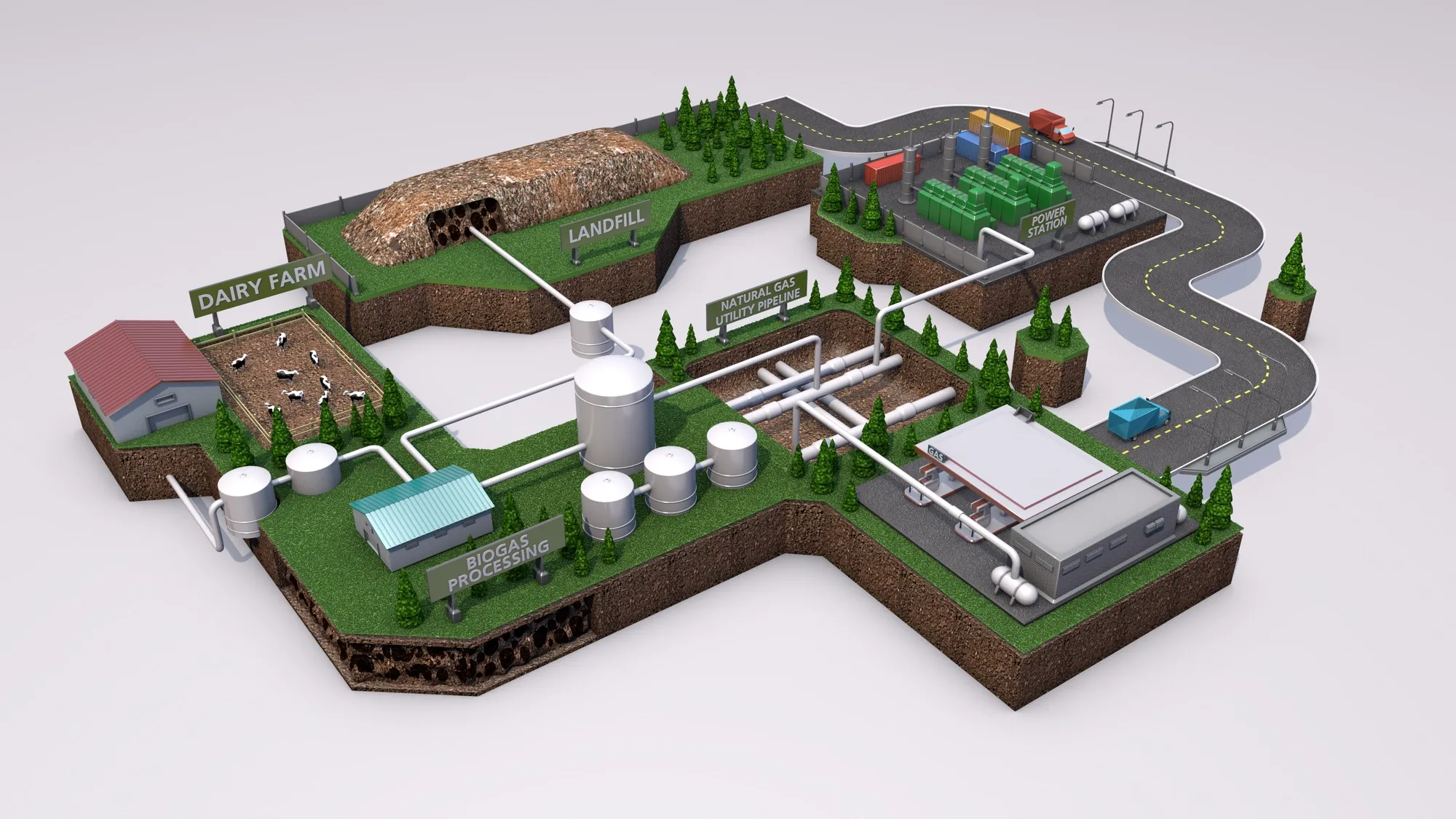
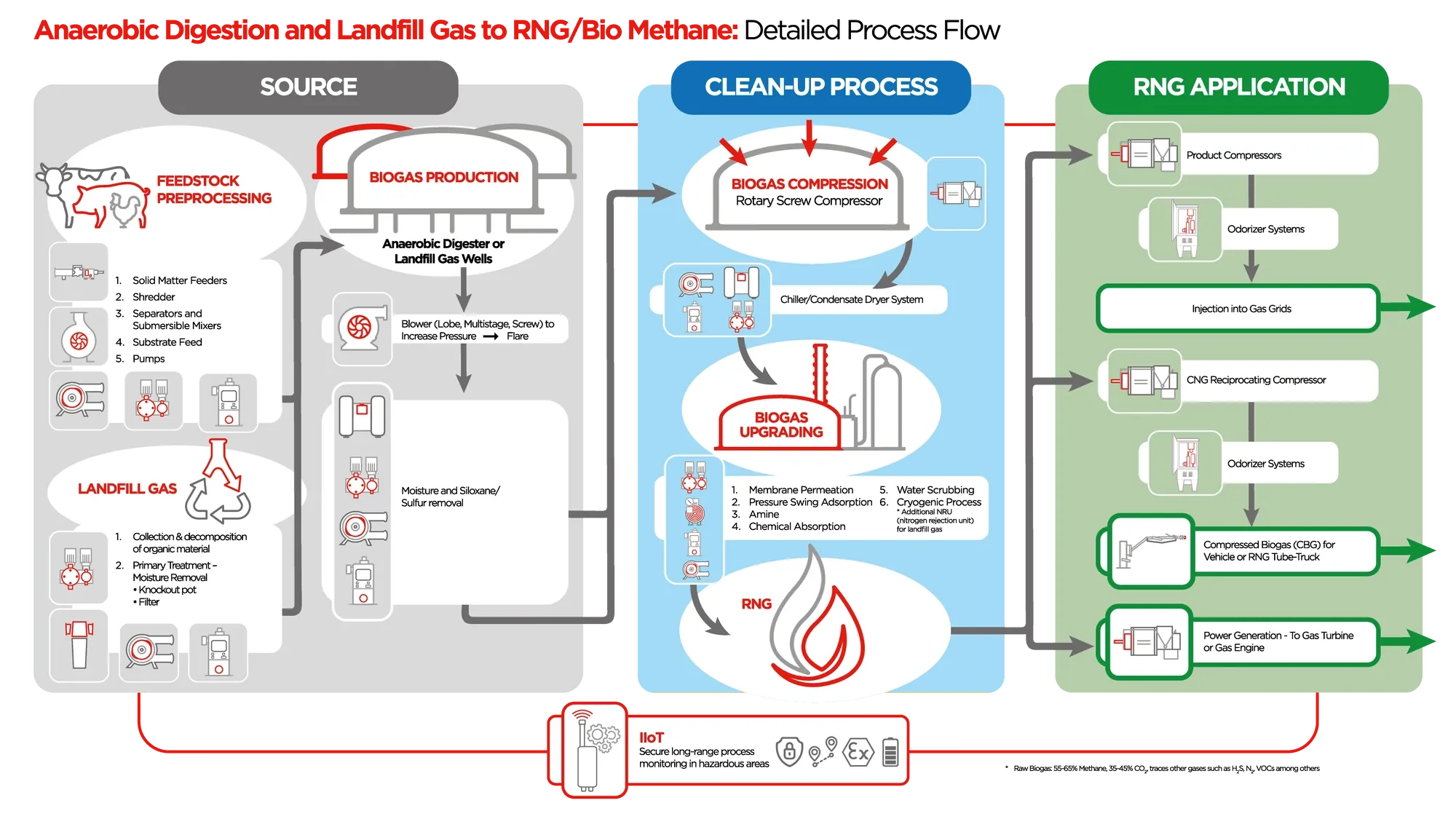
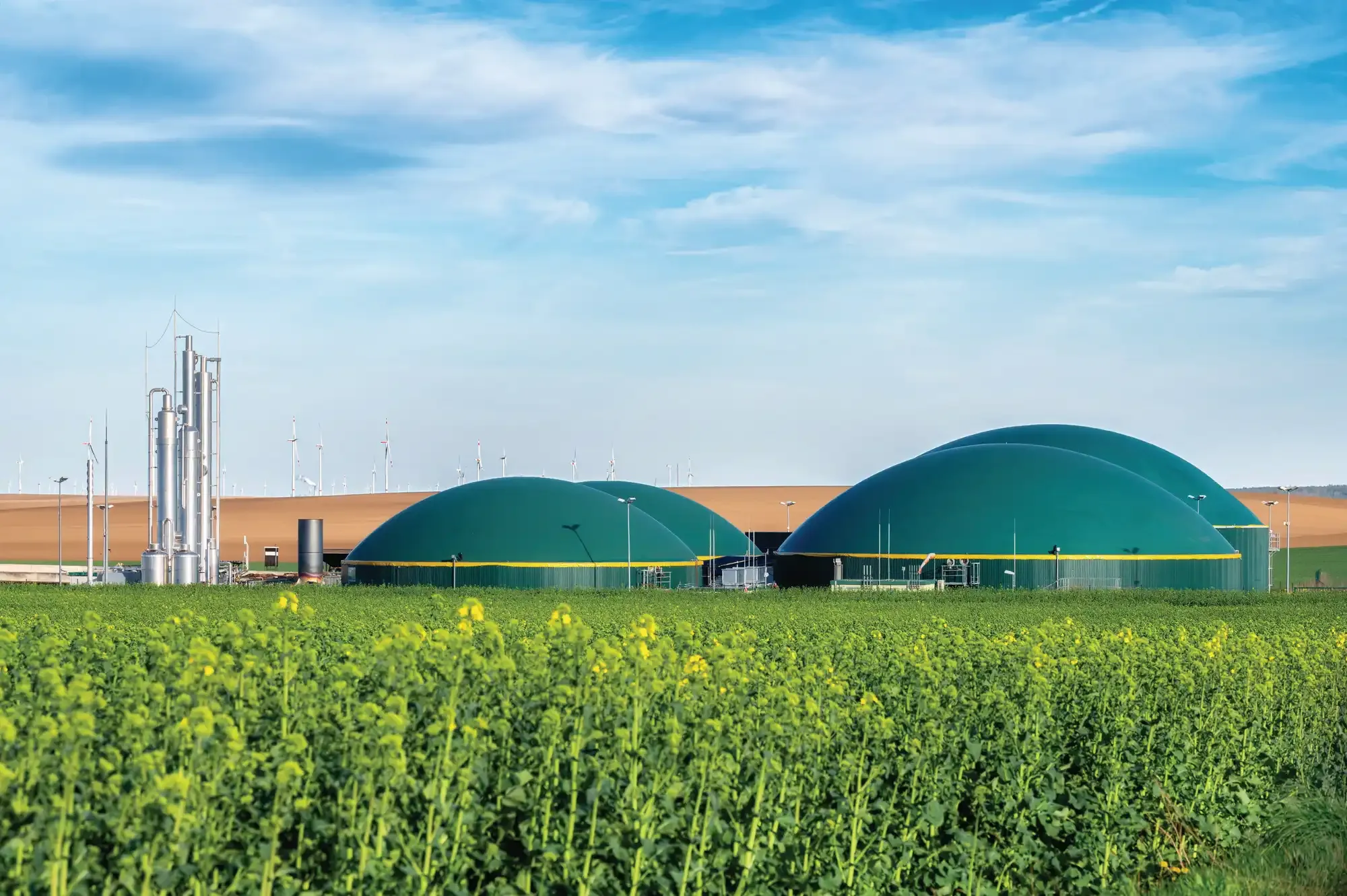
RNG production involves capturing and processing methane emissions produced by organic matter from various sources, including landfills, wastewater treatment plants, and feedstock operations. Through processes like anaerobic digestion, the captured methane is upgraded to meet quality standards and transformed into RNG. This process mitigates the environmental impact of methane and creates a renewable energy source.
This sustainable fuel can be used on-site as part of a self-sufficient energy system or transported through natural gas pipelines for use in other locations. Its applications include heating, generating electricity and serving as a fuel source for vehicles, among other uses.